
Chugging water is a good habit, but hydration is really about balance. The physiology behind it explains why water alone doesn’t always get the job done.
The Physiology of Fluid Balance
About 60% of an adult’s body weight is water, split roughly two-thirds inside cells (intracellular fluid) and one-third in the spaces around and between them, including blood plasma (extracellular fluid). Water moves across your cell membranes by osmosis, following the concentration of solutes on either side. Electrolytes — sodium, potassium, magnesium — are those solutes, and they’re what actually determine whether water stays properly distributed between these compartments or ends up in the wrong place.
Sodium and potassium concentration gradients across cell membranes, maintained by what’s called the sodium-potassium pump, are also fundamental to nerve conduction and muscle contraction — not just fluid balance. That’s why electrolyte imbalances show up as muscle cramps and fatigue, not just thirst.
Drinking large volumes of plain water without replacing sodium can actually dilute blood sodium levels — a real, well-documented phenomenon called exercise-associated hyponatremia, most often seen in endurance athletes who over-hydrate with water alone during long events. The practical takeaway isn’t to drink less water, but to spread intake throughout the day and pair it with electrolytes during heavy sweating, illness, or extended exercise rather than front-loading large volumes of plain water at once.
How Much Water Do You Actually Need?
The often-repeated “eight glasses a day” guideline isn’t based on individualized science — actual fluid needs vary significantly by body size, activity level, climate, and diet. A commonly used starting point is roughly half your body weight in ounces per day, adjusted upward for exercise, heat, or illness. It’s also worth remembering that water-rich foods typically account for a meaningful share of total daily fluid intake, which is part of why the “eight glasses” rule oversimplifies things by only counting what you drink and ignoring what you eat.
Local climate matters too. Humid Mid-Atlantic summers increase fluid and sodium loss through sweat well beyond what most people account for, which is part of why hydration needs in a Herndon July look very different from hydration needs in January.
Food-Based Hydration
Water-rich produce — cucumbers, watermelon, oranges, leafy greens — delivers fluid alongside natural electrolytes and fiber, which helps your body actually retain that water rather than passing it through quickly the way plain water sometimes does.
Not all salt is equal for this purpose, either. Unrefined salts like sea salt or Himalayan salt carry small amounts of trace minerals such as magnesium and potassium alongside sodium, while standard table salt is stripped down to nearly pure sodium chloride. The difference is modest — table salt still hydrates you — but it’s worth knowing if you’re specifically working on electrolyte balance. One trade-off: table salt is usually iodized, so if you switch entirely to an unrefined salt, it’s worth getting iodine from another source, like seafood or dairy.
Zinc is part of the picture too. It’s lost through sweat and acts as a cofactor in numerous enzymatic processes, which is one more reason “just drink more water” doesn’t always resolve dehydration-related symptoms on its own.
What Actually Rehydrates You
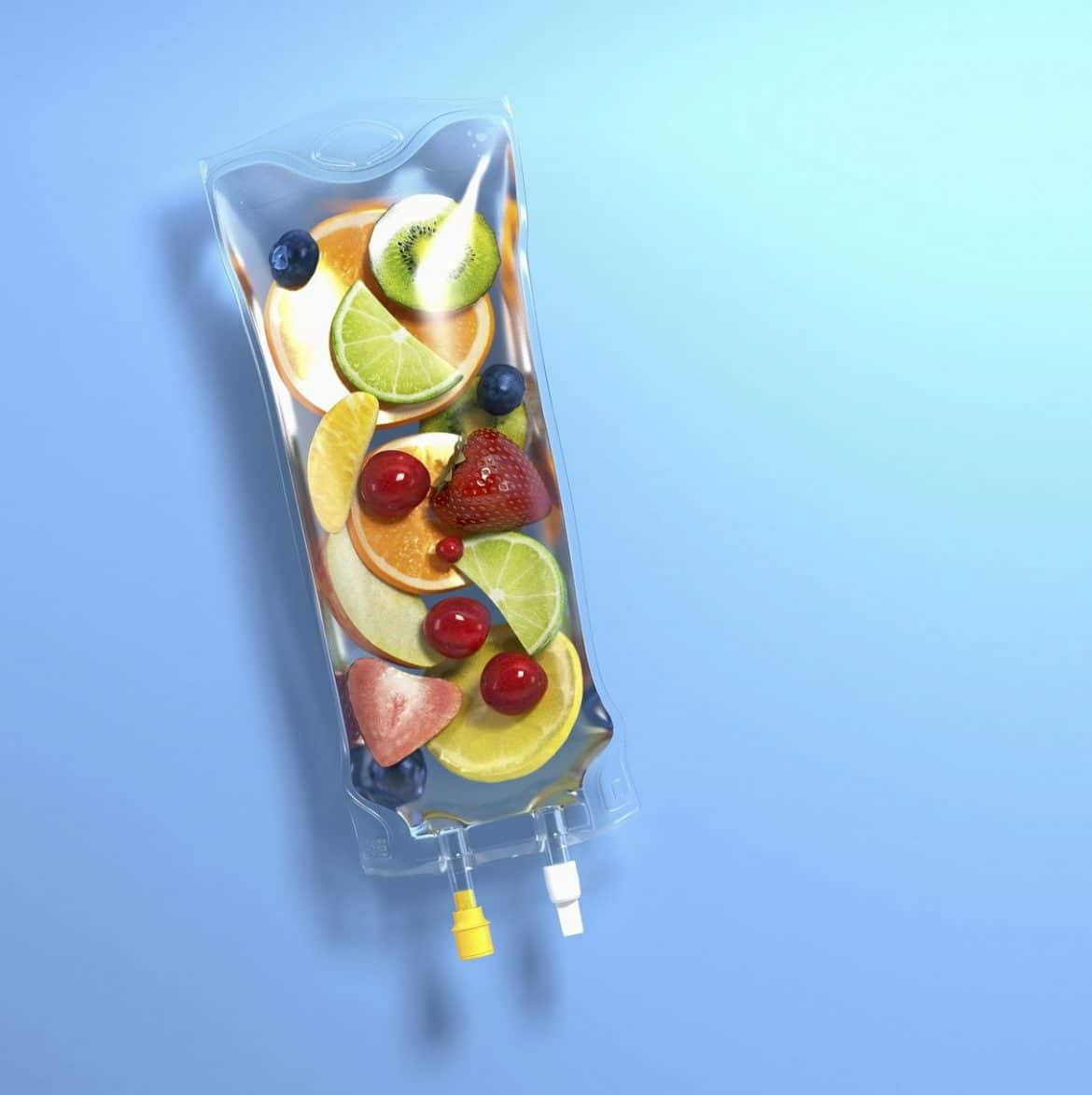
Effective hydration pairs fluids with electrolytes, particularly after sweating, illness, or a long day without much to drink. Our IV hydration menu is built around that combination directly, our Tri-Immunity Drip pairs hydration with Vitamin C, Zinc, and Glutathione for additional support, and our vitamin shot bar is a quick option when a full IV isn’t practical.
Signs You’re Not Actually Hydrated
Thirst is a late signal, not an early one. Other signs are often more telling: headaches, fatigue, dizziness when standing, dark yellow urine, dry mouth, or muscle cramps during or after activity. If several of these show up together, water intake alone may not be catching up to what your body’s losing.
Quick Answers
Can you be dehydrated even if you’re drinking a lot of water?
Yes. Without enough electrolytes, your body can struggle to actually retain and use the water you’re drinking, and in extreme cases, too much plain water can dilute blood sodium levels.
What’s the real difference between drinking water and IV hydration?
Oral water has to be absorbed through digestion, while IV hydration delivers fluids and electrolytes directly into the bloodstream — which is why some people use it when they want faster, more direct support.
What color should urine be if you’re well hydrated?
Pale yellow is generally a good sign; darker yellow often signals it’s time to increase fluids and electrolytes together.
Do coffee and tea count toward hydration, or do they dehydrate you?
Despite the old myth, moderate caffeine intake doesn’t cause significant dehydration in regular consumers — it still contributes fluid, just with a mild diuretic effect.
Does what you eat really affect hydration, not just what you drink?
Yes — water-rich foods deliver fluid alongside natural electrolytes and fiber, which can help your body retain that water more effectively than drinking plain water alone.
How much water should I actually drink per day?
There’s no universal number, but a rough starting point is about half your body weight in ounces, adjusted upward for exercise, heat, or illness, and supplemented by water-rich foods.
Real hydration is about balance, not volume. If you’d like help dialing yours in, Core IV Therapy is at 108 Elden Street, Suite 15A, Herndon, VA 20170. Call 866-426-7348 or book online anytime.