
Stroke recovery is often described in terms of a “window” — the idea that most meaningful improvement happens in the first few months, and that whatever function hasn’t returned by then is largely permanent.
That idea has been challenged by neuroplasticity research over the last two decades, and hyperbaric oxygen therapy (HBOT) is one of the interventions researchers have studied specifically in people well past that traditional recovery window.
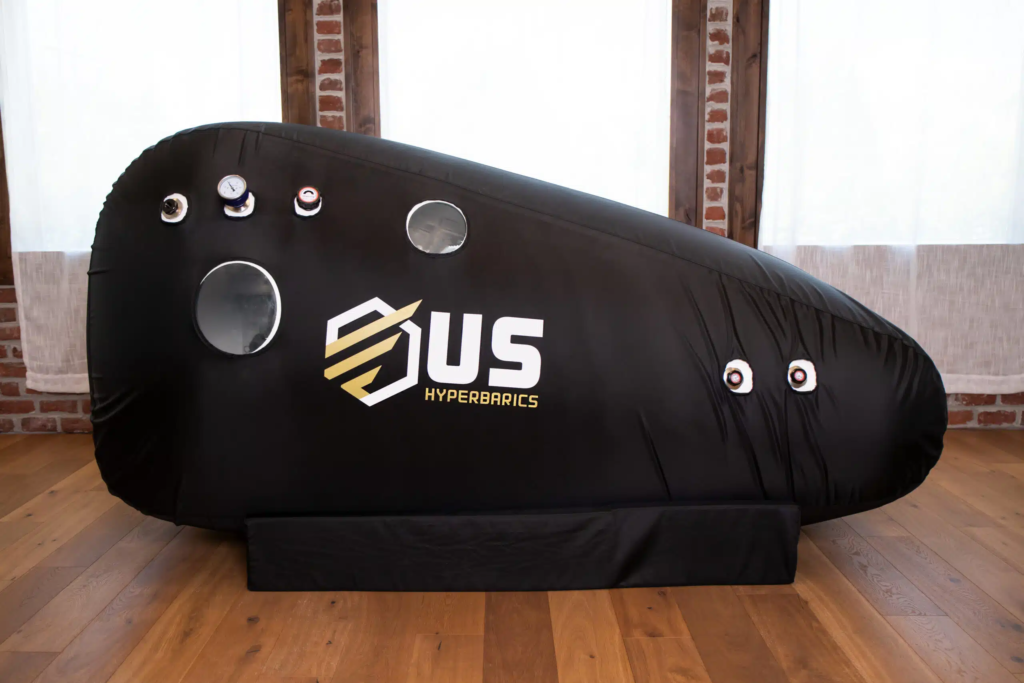
At Core iV Therapy®, we get asked fairly often whether our 1.3 ATA mild hyperbaric chamber could support stroke recovery. Here’s an honest look at what a well-known study actually found.
The Study That Got Researchers’ Attention
A randomized controlled study led by Efrati and colleagues evaluated 40 HBOT sessions in chronic stroke patients — people whose strokes had occurred 6 to 36 months earlier, well outside the window traditionally considered the peak recovery period.
Researchers reported improvements in neurological function and quality of life following treatment, accompanied by changes visible on brain imaging. That combination — functional improvement paired with imaging changes — is part of why the study is cited so frequently in neuroplasticity research.
What it demonstrates, in broader terms, is this: oxygen and pressure can influence biological processes involved in neurological recovery, even long after an injury. That doesn’t mean every stroke survivor will see the same results, but it does challenge the assumption that recovery potential simply ends at a fixed point in time.
Why 40 Sessions, Not One
Like most of the encouraging hyperbaric research, this wasn’t a single-visit intervention. The protocol involved dozens of sessions over an extended period — a pattern that shows up again and again across HBOT studies for neurological recovery, brain injury and healthy aging alike.
That’s a big part of why our mild hyperbaric chamber is built around comfort and repeatability at approximately 1.3 ATA, rather than maximum intensity. A protocol someone can actually stick with, session after session, is worth more than an aggressive exposure used once.
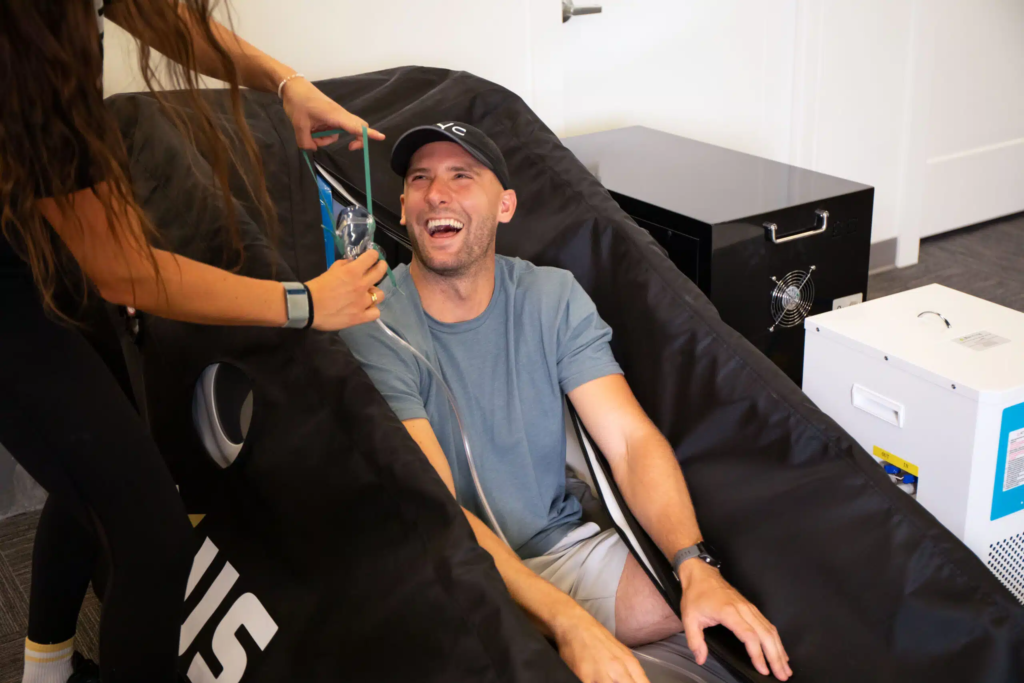
Our sessions also include supplemental oxygen delivery by mask when appropriate, since pressure alone doesn’t determine what someone is actually breathing inside the chamber.
This Supports Recovery — It Doesn’t Replace Rehabilitation
To be clear: hyperbaric oxygen is not a substitute for physical therapy, occupational therapy, speech therapy or ongoing medical management after a stroke. It also isn’t the same as hospital-based HBOT, which operates at higher pressures (generally 2.0–3.0 ATA) for a defined set of acute medical emergencies.
What our 1.3 ATA protocol is designed for is supportive, wellness-focused use — something a stroke survivor could potentially add alongside their existing care team’s recommendations, not in place of them.
What This Looks Like at Core iV
For clients exploring HBOT to support stroke recovery, we typically emphasize:
- Sessions of meaningful duration, generally around 60 minutes at therapeutic pressure
- Supplemental oxygen delivery by mask
- A repeated, individualized schedule rather than isolated visits
- Coordination alongside — not instead of — a person’s existing medical and rehabilitation care
For a broader look at how we support stroke recovery across our full range of therapies, visit our Stroke program page.
Talk to Us About Your Recovery Goals
If you or a loved one is navigating stroke recovery and wondering whether hyperbaric oxygen could be a supportive addition, schedule a consultation with Core iV Therapy®. We’ll talk through your history, your care team’s guidance and whether a 1.3 ATA protocol makes sense.
Core IV Therapy® is located at 108 Elden Street, Suite 15A, Herndon, VA 20170. Call 866-426-7348 or book online.
Quick Answers
Can hyperbaric oxygen therapy help stroke recovery months or years later?
A randomized study by Efrati et al. evaluated 40 HBOT sessions in chronic stroke patients 6u201336 months post-stroke and reported improvements in neurological function and quality of life, along with changes on brain imaging.
How many HBOT sessions were used in the stroke recovery study?
The study involved 40 sessions over an extended period, consistent with the broader pattern that meaningful HBOT research is usually cumulative rather than based on a single session.
Does hyperbaric oxygen therapy replace stroke rehabilitation?
No. HBOT is not a substitute for physical, occupational or speech therapy after a stroke. It’s best considered a potential supportive addition alongside a person’s existing medical and rehabilitation care.
What pressure does Core iV Therapy use for stroke recovery support?
Our mild hyperbaric chamber operates at approximately 1.3 ATA with supplemental oxygen delivery by mask, designed for comfortable, repeatable sessions rather than maximum pressure.
Reference
Efrati et al. 2013 – Chronic Stroke & Neuroplasticity
Randomized prospective trial examining 40 HBOT sessions in chronic post-stroke patients.